

QCS / Connected thinking. Practical engineering.

Network,
security & cloud
consulting.

Complex systems.
Clear next steps.

Find the fault. Understand the risk. Build a better path across your connected business.

For businesses in India and internationally.

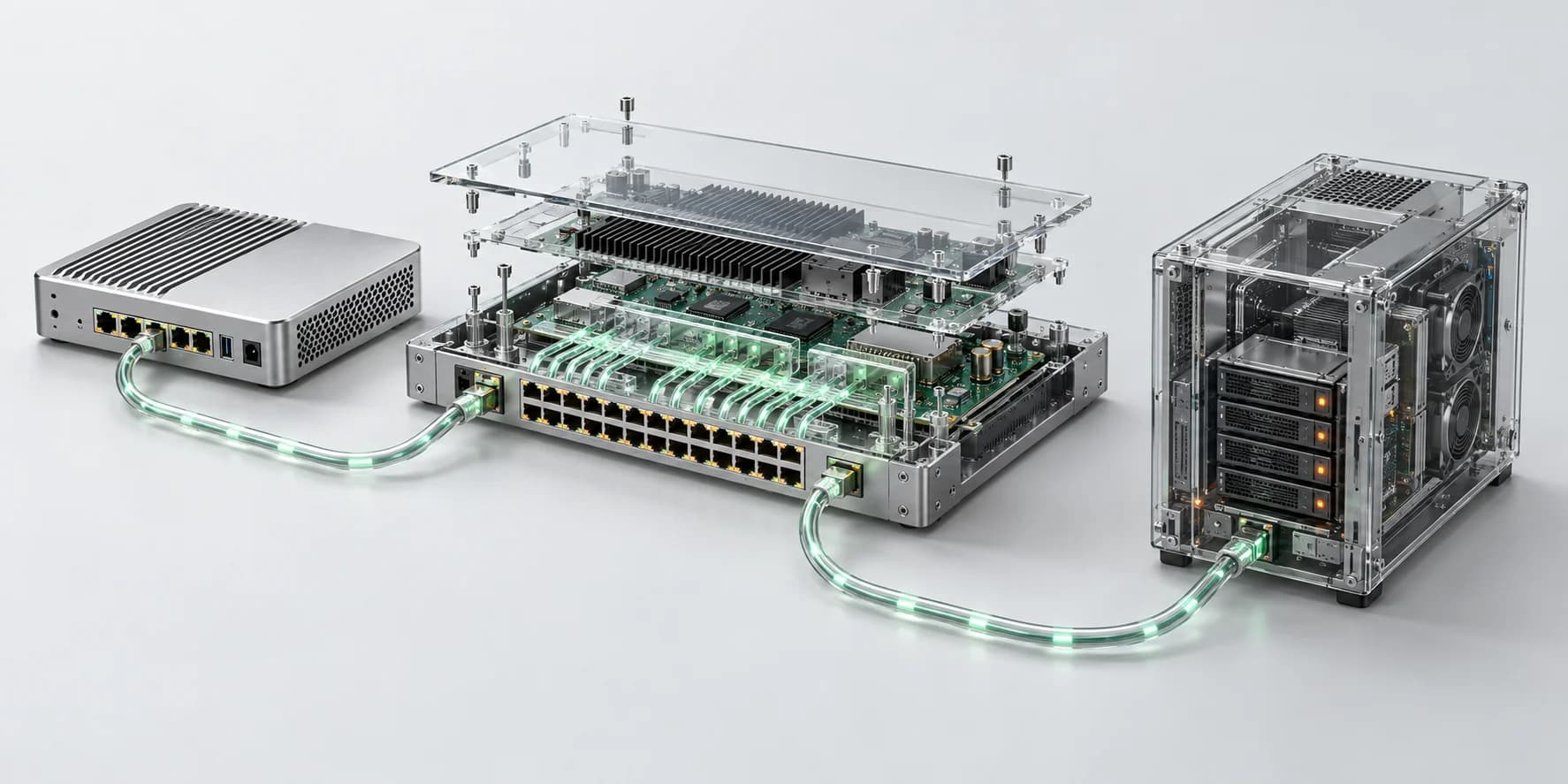
Illustrative architecture
ONE CONNECTED ENVIRONMENT

Engineering the whole picture.

On-premises Security boundaries Hybrid cloud Operational evidence

01 / Specialist expertise

Specialist help.
One connected view.

Tell us what is not working.
We’ll help you find the next step.

CONNECT / OPERATE / TROUBLESHOOT

Find where the path breaks.

Slow apps? Dropped calls? Unstable links? We trace the fault, check the evidence and agree what to fix. For ongoing support, we define the work and who owns each task.

Explore network services Need troubleshooting?
Network / packet forwarding

Branch users reach an application server through a WAN router. Illustrative traffic, not live telemetry.

Your environment / Your priorities

Start with the pressure
your team is under.

A clear problem is the start of a useful engagement. Here are three ways to begin.

01 / SERVICE DISRUPTION

It connects.
Until it doesn't.

Slow applications, lost calls or unstable site links. Trace the affected path and separate symptoms from causes.

Bring
A timeline, affected sites and recent changes.
Work toward
A tested fault hypothesis and next actions.
Investigate a fault

02 / SECURITY EXPOSURE

Who can reach
what matters?

Review access paths, firewall rules and test scope. Understand which exposure needs action and why.

Bring
An asset list and the owners who can authorize testing.
Work toward
Evidence-backed priorities and a retest plan.
Scope a security test

03 / INFRASTRUCTURE CHANGE

Move forward.
Keep the path clear.

A new site, a cloud move or a network redesign. Map dependencies before they become change-day surprises.

Bring
The proposed design, applications and change window.
Work toward
Acceptance checks and a rollback plan.
Plan cloud connectivity

Typical engagement scenarios, not client case studies. Deliverables depend on the agreed scope.

02 / The engineering approach

From uncertainty
to an agreed plan.

Evidence comes before action.
Verification comes after it.

01 / DISCOVER

Map the affected systems, business impact and boundaries of the work.

Outcome Agreed scope
02 / INVESTIGATE

Review configuration, logs and observations. Test a hypothesis, not an assumption.

Outcome Prioritized findings
03 / VERIFY

Agree changes, identify owners and check the result against the expected behavior.

Outcome Clear next actions

03 / Work you can use

Not just a report.
A way forward.

Know what was reviewed, why each finding matters and what needs to happen next.

Discuss the deliverables
QCS / ENGINEERING BRIEF
ILLUSTRATIVE EXAMPLE

Network access review

From observation to verification.

Observation
Access rules need an ownership review.
Recommendation
Validate business need before changing access.
Verification
Retest approved and denied application paths.
Scope, evidence and responsibility in one view.

A practical way to work together

The right depth.
For the work ahead.

Begin with one question or scope a larger project. Agree the work before committing to it.

Availability, fees, response times and any service-level commitments are agreed in writing. No automatic 24/7 coverage is implied.

Control belongs in the process

Clear boundaries.
Before the first change.

A useful engagement protects more than the technology. It makes access, decisions and responsibility explicit.

AuthorizeReviewAgreeVerify
  1. 01

    Permission before testing

    Define authorized assets, methods, exclusions and stop conditions before any security test.

  2. 02

    Access with a purpose

    Agree the minimum access required, who grants it and how it will be removed when work ends.

  3. 03

    Changes with a way back

    Confirm the approver, window, baseline and rollback steps before touching production.

  4. 04

    Evidence handled deliberately

    Agree secure transfer, redaction, retention and deletion requirements for logs and reports.

04 / Learn with QCS

Understand the idea.
Then make it work.

Beginner-friendly CCNA learning, practical examples and guided labs. Build understanding one connection at a time.

Explore the CCNA course

Clear explanations. Practice questions. Lab guides.

Explore training for your team
A PACKET’S JOURNEY
01 / SEND

PC1 sends a packet toward PC2 on another network.

Conceptual path. Address resolution and other protocol details are omitted.

05 / Useful before the call

Small tools.
Useful answers.

The engineering reading room

Stay informed.
Act with context.

Connect new information to the systems you run. Start with the source, then decide what applies.

Before we begin

Clear expectations.
From the start.

Can we begin with a focused assessment?

Yes. Describe your issue and intended outcome. Scope, access, deliverables and availability are agreed before work begins.

Does a security review include penetration testing?

Not automatically. Penetration testing requires an explicitly authorized scope, agreed methods, exclusions and reporting requirements.

Are changes and retesting included?

Only when agreed in the scope. We clarify who approves changes, who carries them out and how the outcome will be checked.

What should we share in the first conversation?

Describe the business impact, affected systems, recent changes and the outcome you need. Do not send passwords, private keys or raw customer data through a public contact form.

Your next connection

Let’s make your
next move clear.

Tell us about the issue, the environment
and the outcome you need.

Discuss your project

Tell us what needs to change.

Share your business impact, affected systems and intended outcome. Please do not include passwords, keys or customer data.

Prefer to prepare first? Start a guided assessment.

Ready when you are. Share the issue and we will suggest the right next step.

Your contextAgreed scopeNext step